
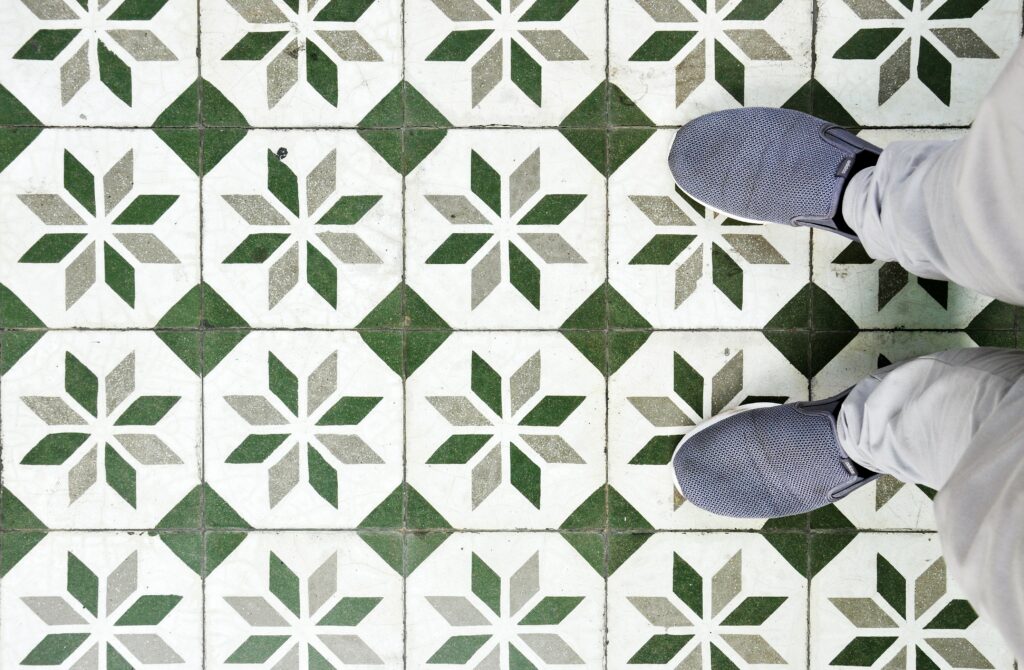
Tile floors are known for their durability, beauty, and easy maintenance, but grout is a different story. Over time, grout lines can become dark, stained, and discolored, making even the cleanest tile floors look dirty. Many homeowners assume harsh chemicals are the only solution, but that couldn’t be further from the truth. Professional tile and grout cleaning can restore grout color safely and effectively without relying on abrasive or toxic products. With the right techniques and equipment, grout can be refreshed, brightened, and protected, all while keeping your home safe for kids, pets, and sensitive surfaces.
Why Grout Discolors So Easily
Grout is naturally porous, which means it absorbs moisture, dirt, oils, and bacteria far more easily than tile. Everyday foot traffic, spills, and mopping residue gradually sink into grout lines, causing them to darken or yellow over time.
Common causes of grout discoloration include:
Dirt and dust buildup
Grease and cooking residue
Soap and hard water deposits
Mold and mildew in damp areas
Improper cleaning products that leave residue
Once grime settles below the surface, routine mopping simply isn’t enough to remove it.
The Problem With Harsh Chemical Cleaners
When grout starts to look dirty, many people turn to bleach, ammonia, or acidic cleaners. While these products may lighten grout temporarily, they often cause long-term damage.
Harsh chemicals can:
Break down grout structure
Strip protective sealants
Cause uneven coloring or fading
Damage surrounding tile surfaces
Leave behind fumes and residue
In some cases, aggressive chemicals actually make grout stain faster by opening up the pores even more. That’s why professional grout restoration focuses on safer, deeper cleaning methods instead.
How Professional Tile and Grout Cleaning Restores Color Naturally
Professional tile and grout cleaning uses non-toxic, pH-balanced solutions combined with advanced equipment to lift dirt from deep within grout lines, without damaging the surface.
Step 1: Gentle, Targeted Cleaning Solutions
Eco-friendly cleaners are applied to loosen dirt, grease, and bacteria trapped in grout pores. These solutions are designed to break down buildup without weakening the grout.
Step 2: Agitation and Deep Extraction
Soft-bristle tools and high-powered extraction equipment remove contaminants from below the surface. This is where most grout color restoration happens, by removing what’s darkening the grout, not bleaching it.
Step 3: High-Temperature Steam or Hot Water Rinse
Steam or hot water helps sanitize grout lines, kill bacteria, and flush out remaining residue, leaving grout visibly cleaner and brighter.
The result is restored grout color that looks natural, even, and clean, without harsh chemicals.
Grout Restoration vs. Grout Replacement
Many homeowners assume dark grout means it needs to be replaced, but professional grout restoration is often a far more affordable and effective option.
Grout Restoration:
Removes deep-set dirt and stains
Restores original color
Preserves existing tile
Costs significantly less than replacement
Requires no demolition
Grout Replacement:
Involves removing existing grout
Takes more time and labor
Can risk damaging tile
Is typically much more expensive
In most cases, professional tile and grout cleaning restores grout so effectively that replacement isn’t necessary.
The Importance of Grout Sealing After Cleaning
Once grout is cleaned and restored, sealing is one of the most important steps to keep it looking great. Grout sealers create a protective barrier that prevents dirt, spills, and moisture from penetrating the surface.
Benefits of grout sealing include:
Slower re-staining
Easier routine cleaning
Improved resistance to moisture and mold
Longer-lasting grout color
Sealed grout stays cleaner longer and reduces the need for frequent deep cleanings.
Tile and Grout Cleaning in Kitchens and Bathrooms
Kitchens and bathrooms are the most common areas for grout discoloration due to moisture, food spills, soap residue, and heavy use.
Professional tile and grout cleaning is especially beneficial for:
Shower walls and floors
Bathroom tile and grout lines
Kitchen floors and backsplashes
Entryways and high-traffic areas
In these spaces, safe cleaning methods are essential to avoid damaging tile finishes or releasing harsh fumes indoors.
How Often Should Tile and Grout Be Professionally Cleaned?
Most homes benefit from professional tile and grout cleaning every 12 to 18 months, depending on foot traffic and usage. High-traffic areas, kitchens, and bathrooms may need cleaning more frequently.
You may need grout restoration sooner if you notice:
Persistent dark grout lines
Mold or mildew odors
Grout that never looks clean after mopping
Uneven grout color
Routine professional cleaning keeps grout bright and prevents permanent staining.
Maintaining Clean Grout Between Professional Cleanings
While professional services deliver the deepest results, simple habits help maintain grout color between visits:
Sweep or vacuum regularly to prevent dirt buildup
Use pH-neutral floor cleaners
Avoid bleach and acidic cleaners
Wipe up spills promptly
Keep bathrooms well-ventilated
These steps reduce wear on grout and extend the results of professional cleaning.
Why Professional Tile and Grout Cleaning Is the Best Choice
Restoring grout color isn’t about scrubbing harder, it’s about cleaning smarter. Professional tile and grout cleaning removes what’s discoloring grout instead of masking it with chemicals.
With expert equipment, safe cleaning solutions, and optional sealing, professional grout restoration delivers long-lasting results that protect your floors and improve the overall look of your home.
If your tile floors look dull or your grout lines are darker than they should be, professional cleaning can bring them back to life, safely and effectively.