
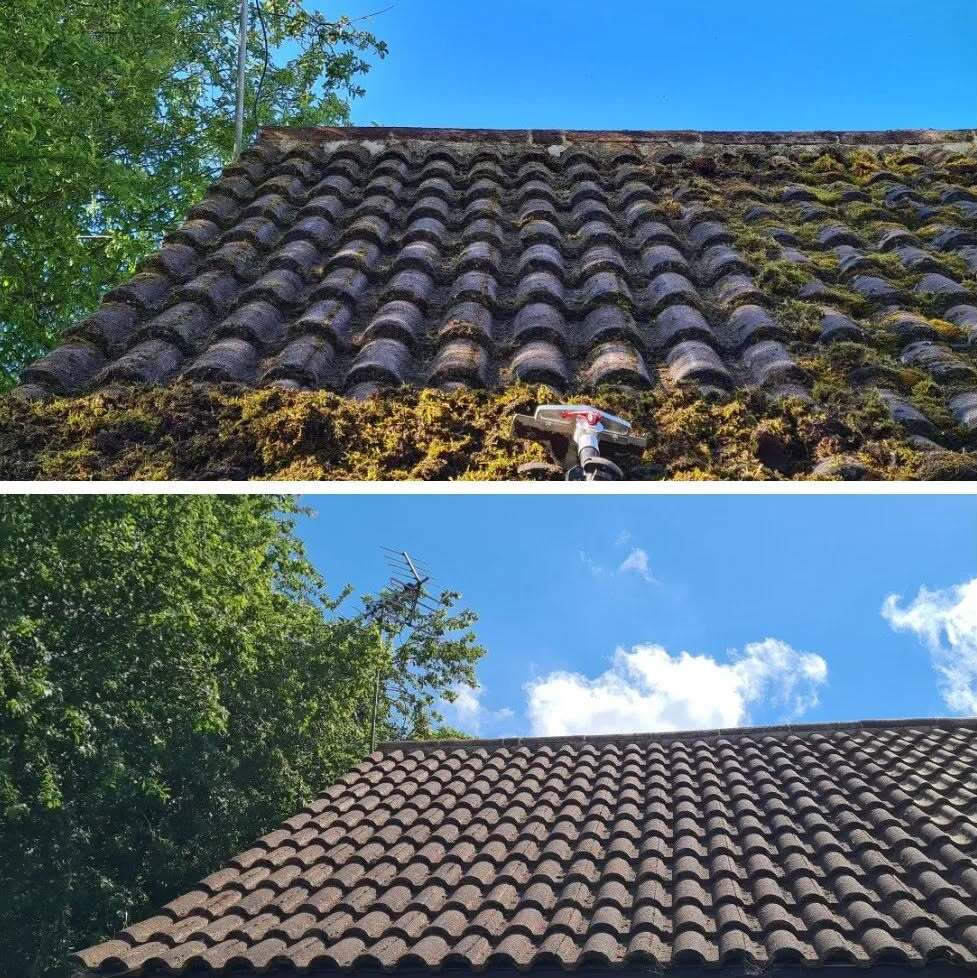
As the rainy season comes to an end, many property owners start noticing what months of moisture have left behind on their roofs. Dark streaks, green patches, and thick clumps of growth may seem like minor cosmetic issues at first, but moss is more than an eyesore. Left untreated, it can trap moisture, weaken roofing materials, and lead to expensive repairs over time. That is why roof moss removal matters.
Acting quickly helps protect both residential and commercial roofs from avoidable damage, preserves curb appeal, and supports the long-term health of the property. If you have seen moss spreading across your shingles or tiles, now is one of the best times to address it.
Why Moss Grows on Roofs
Moss thrives in damp, shaded environments. Roofs that receive limited sunlight or hold moisture for long periods are especially vulnerable. During the rainy season, water settles into roof surfaces, debris collects in valleys and edges, and moss spores begin to take hold.
Common conditions that encourage moss growth include:
- Frequent rain and lingering moisture
- Shade from nearby trees
- Debris buildup on the roof
- Clogged gutters that slow drainage
- Older roofs with worn surfaces
- Poor airflow across the roofline
Once moss starts growing, it rarely stays small. It spreads gradually, holding water against the roof and making conditions even better for more growth.
Why Fast Action Matters
Many property owners delay treatment because moss can seem harmless at first. But waiting often allows a manageable problem to turn into a costly one.
Moss retains moisture like a sponge. Instead of allowing the roof to dry naturally, it keeps the surface wet for longer periods. That constant dampness can wear down shingles, encourage wood rot, and weaken underlying materials. On tile roofs, moss can shift tiles or grow into small gaps. On shingle roofs, it can lift edges and create opportunities for water intrusion.
Fast roof moss removal helps prevent:
- Premature roof aging
- Shingle lifting and curling
- Tile displacement
- Wood rot along roofing edges
- Water penetration and leaks
- Higher repair or replacement costs
When caught early, moss can usually be addressed before it causes major structural issues.
The Hidden Costs of Ignoring Roof Moss
A moss-covered roof does not just look neglected. It can trigger a chain of problems that affect multiple parts of the property.
1. Roof Material Damage
Moss grows between and beneath roofing materials. As it expands, it can lift shingles, separate seams, and create weak points where water can enter.
2. Moisture-Related Problems
Trapped moisture can lead to mold, mildew, and rot. If water reaches the underlayment or wooden decking, repair costs can rise quickly.
3. Gutter and Drainage Issues
Loose moss and roof debris often wash into gutters. This contributes to clogs, overflow, and poor drainage, especially during the next round of rain.
4. Reduced Property Appearance
A mossy roof can make an otherwise well-maintained home or commercial building look older, dirtier, and less cared for.
5. Shortened Roof Lifespan
The longer moss remains, the more wear it causes. Over time, this can reduce the useful life of the roof and lead to earlier replacement.
Signs You Need Roof Moss Removal
Some roofs show obvious moss buildup, but there are also earlier warning signs that indicate it is time to act.
Watch for:
- Green patches or fuzzy growth on the roof
- Moss concentrated in shaded areas
- Dark, damp-looking roof sections that stay wet
- Debris is collecting in the roof valleys
- Gutters are filling with roof material and plant growth
- Shingles that appear lifted or uneven
- A musty smell near the roof edges or attic areas
If you notice any of these signs, professional moss removal services can help prevent the problem from spreading further.
Why the End of Rainy Season Is a Good Time for Moss Removal
As the rainy season winds down, roofs begin drying more consistently. This makes it easier to inspect visible growth and address it before warmer weather encourages further spread.
Scheduling moss removal at this time offers several benefits:
- It clears away buildup caused by seasonal moisture
- It prepares the roof for drier months
- It helps prevent lingering moisture damage
- It supports roof maintenance before the next wet season
- It improves overall property appearance heading into spring and summer
Acting now can reduce the chance that small moss patches turn into larger repair issues later.
How Professional Moss Removal Services Work
Professional moss removal services are designed to clean the roof thoroughly while minimizing the risk of damage. Instead of relying on aggressive techniques, trained technicians use methods suited to the specific roof type and condition.
Depending on the roof, the process may include:
- Inspection of moss coverage and roof condition
- Manual removal of heavy moss buildup
- Low-pressure roof soft washing
- Treatment to kill remaining moss spores
- Rinsing and cleanup of debris
- Recommendations for follow-up maintenance
For many roofs, roof soft washing is one of the safest and most effective approaches. It uses gentle pressure and specialized cleaning solutions to remove moss, algae, and grime without the harm that high-pressure washing can cause.
Roof Soft Washing and Moss Removal
Soft washing is often paired with moss treatment because it addresses both visible buildup and the underlying organic growth. Rather than blasting the roof with force, soft washing applies a cleaning solution that helps break down moss and related contaminants at the source.
This method can help:
- Remove moss safely
- Reduce regrowth
- Protect shingles and tiles
- Improve roof appearance
- Clean away algae and mildew at the same time
For both homes and commercial properties, roof soft washing is an important companion service when moss is present.
Why DIY Moss Removal Can Damage Roofs
Understandably, some property owners consider removing moss themselves. But DIY methods often create more problems than they solve.
Common DIY mistakes include:
- Scraping too aggressively and damaging shingles
- Using pressure washers that strip roofing materials
- Applying the wrong chemicals
- Walking on the roof unsafely
- Failing to remove moss spores completely
- Pushing debris into gutters and drainage systems
Pressure washing is especially risky. While it may appear to remove moss quickly, it can force water beneath roofing materials, loosen shingles, and shorten roof life. Even manual brushing can damage granules on asphalt shingles or crack fragile tiles if done improperly.
Professional technicians know how to remove moss safely and thoroughly, reducing the risk of accidental roof damage.
Related Services That Support Roof Health
Moss removal works best when paired with other exterior maintenance services that protect drainage and reduce buildup across the property.
Gutter Cleaning
Moss, leaves, and roof debris often collect in gutters. Cleaning gutters helps water flow properly and reduces overflow that can affect roofing edges and foundations.
Exterior Cleaning
If the roof shows moss and algae, nearby siding, walls, or walkways may also need attention. Exterior cleaning helps improve overall appearance and keeps the whole property looking well-maintained.
Preventive Roof Maintenance
Routine inspections, debris removal, and seasonal roof cleaning make it easier to spot early issues and prevent future moss buildup.
Combining services can create a more complete maintenance plan and help extend the life of the property’s exterior surfaces.
Moss Removal for Homes and Commercial Properties
Both residential and commercial roofs benefit from timely moss removal.
For homeowners, removing moss helps protect curb appeal, avoid roof damage, and preserve one of the most valuable parts of the home.
For commercial properties, moss removal supports a cleaner, more professional appearance while helping protect building assets and reduce long-term maintenance costs.
Whether the property is a house, office, retail building, or multifamily complex, acting quickly when moss appears is the smarter financial decision.
How Often Should Roof Moss Be Checked?
Even if there is no visible moss right now, regular roof checks can help catch growth early. Many properties benefit from at least one inspection after the rainy season and another before wetter weather returns.
More frequent monitoring may be helpful if:
- Trees overhang the roof
- The roof stays shaded most of the day
- Moss has been a recurring issue before
- Gutters tend to clog easily
- The property is in a moisture-prone area
Early detection makes treatment easier and far less expensive.
Protect Your Roof Before Small Problems Get Worse
Moss may start as a surface issue, but it rarely stays that way. The longer it sits on a roof, the more moisture it traps and the greater the chance of damage. Fast roof moss removal helps prevent costly repairs, protects roofing materials, and keeps the property looking its best.
As the rainy season ends, this is an ideal time to address moss before it causes deeper problems. Whether you own a home or manage a commercial building, professional moss removal services can help restore your roof safely and support long-term exterior maintenance.
If you have noticed moss growth, dark streaks, or moisture-related buildup, now is a good time to schedule an inspection or request a quote for professional roof moss removal.