
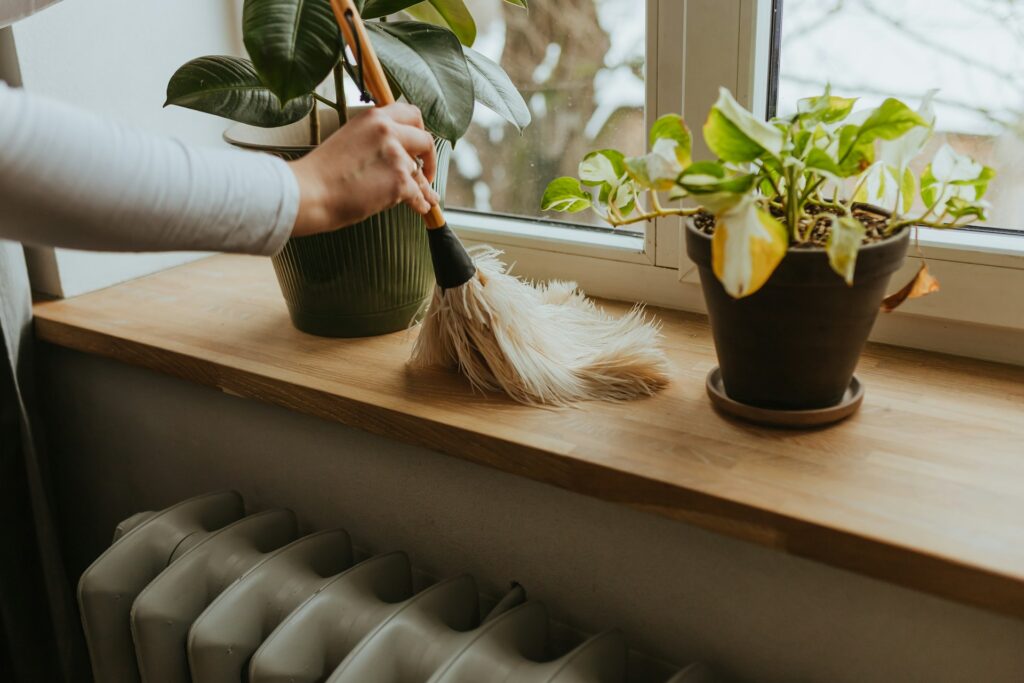
If you live in the Sacramento area, dust has a way of finding its way inside. Dry summers, open windows, nearby construction, pets, pollen, and smoke season can leave a fine layer on furniture faster than you’d expect.
But if you’re wiping down the same surfaces over and over and the dust keeps coming back, your air ducts may be part of the problem. As your heating and cooling system runs, it moves air throughout the house. If dust and debris have built up inside the system, some of it may be recirculating into your rooms.
That doesn’t mean every dusty house needs air duct cleaning. It does mean the ductwork is worth checking, especially if you notice buildup around vents or dust blowing out when the system turns on.
Why Does My House Get Dusty So Quickly?
A little dust is unavoidable, especially in the Sacramento area where dry weather, pollen, yard work, and open windows all add to the mix.
Some of it comes from outside. Some comes from everyday life inside the house. Pets shed, blankets and furniture release fibers, and dirt gets tracked in from the yard, garage, or driveway. Even regular movement through the house stirs settled dust back into the air. You name it: it probably creates some form of dust.
Something that’s easy to overlook is the HVAC system itself. A dirty, poorly fitted, or overdue filter can allow more dust to circulate through the house. Gaps in the return ductwork may also pull dusty air in from the attic, crawl space, or other areas around the home.
That’s why a dusty house usually has more than one cause. The air duct needing cleaning may be part of it, but they’re rarely the only place worth checking.
How Air Ducts Fit Into the Picture
Your HVAC system pulls air in through return vents, heats or cools it, and sends it back into the home through supply vents. Over time, dust and debris can settle inside parts of that system. Much of it may stay in place rather than blowing directly into your rooms. However, heavier accumulation, pest activity, renovation debris, or other contamination can create a reason to have the system inspected and cleaned.
The Environmental Protection Agency’s guidance on air duct cleaning does not recommend cleaning ducts on a fixed schedule for every home. It advises homeowners to consider cleaning when there is substantial visible mold growth, evidence of pests, or excessive dust and debris being released from the ducts.
In other words, air duct cleaning should be based on what’s actually happening in your home, not an arbitrary date on the calendar.
Signs Your Air Ducts Could Be Contributing to Dust
Dust Blows Out When the System Starts
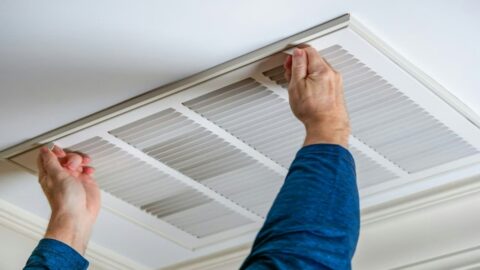
Watch the vents when the heater or air conditioner turns on. A visible puff of dust coming from a register deserves a closer look.
A small amount around the outside of the vent may simply mean the cover needs cleaning, but dust actively blowing from inside the ductwork suggests the problem could be farther into the system.
Buildup Keeps Forming Around the Vents
Dark lines or dusty patches around supply registers may develop because moving air carries particles past the edges of the vent.
Cleaning the cover is a good first step. If the buildup returns quickly, check the filter and look for visible debris just inside the opening.
The House Was Recently Remodeled
Drywall sanding, flooring work, demolition, and other renovation projects create fine dust that travels easily. Contractors usually try to control it, but small particles can still reach return vents and enter the HVAC system. If the system was operated during a dusty project, it may have pulled construction debris into the returns.
There Are Signs of Pests
Rodents and insects can enter damaged or poorly sealed ductwork. Droppings, nesting material, scratching sounds, or unusual odors near vents shouldn’t be ignored.
The pest problem needs to be addressed first. Cleaning alone won’t prevent animals from returning through the same opening.
Dust Returns Almost Immediately After Cleaning
No home stays completely dust-free, but you should get more than a few hours of satisfaction after cleaning. If surfaces near vents become dusty much faster than the rest of the room, pay attention to when it happens. Dust that appears shortly after the HVAC system runs could point toward a filter, duct, or airflow issue.
There Is Heavy Debris Inside the Duct
Remove the vent cover and use a flashlight to look into the opening. What do you see?
A light coating of settled dust is common. Thick buildup, clumps of debris, pest material, or visible contamination is different and should be evaluated professionally.
What to Check Before Scheduling Air Duct Cleaning
Start with the easy possibilities.
Check your HVAC filter and replace it if it’s dirty. Make sure it’s the correct size and sits securely in its housing because a filter with gaps around the frame won’t work as intended.
You should also note where the problem is happening. Is the dust concentrated in one room? Does it appear around every vent? Did it start after construction, wildfire smoke, pest activity, or an HVAC repair?
These details make it easier to determine whether you’re dealing with dirty ductwork, a damaged return, a filtration issue, or ordinary household dust.
How Often Should Air Ducts Be Cleaned?
There isn’t one schedule that works for every house. A home with several pets, recent construction, pest activity, or obvious debris may need attention sooner than a home with sealed ductwork and good filtration. Routine annual cleaning usually isn’t necessary unless an inspection identifies a specific problem.
Instead of focusing on the number of years since the last cleaning, look at the condition of the system: Visible debris, dust blowing from vents, contamination, and persistent odors are more useful indicators than the calendar. Homes without those issues may not need duct cleaning at all.
Homeowners who want to learn more can review the EPA’s full resource, Should You Have the Air Ducts in Your Home Cleaned?
What Professional Air Duct Cleaning Should Address
Air duct cleaning involves more than vacuuming the visible section behind each register.
A proper job should address the relevant parts of the heating and cooling system, rather than cleaning one section and leaving the rest untouched. The EPA warns that leaving contaminated components uncleaned can allow the system to become contaminated again.
Before hiring a company, ask what parts of the system are included. You should understand whether the service covers the supply ducts, returns, registers, grilles, and other accessible components.
Squeaky Clean provides residential and commercial air duct cleaning for properties throughout the Sacramento, Placer, El Dorado, and Amador County areas. Professional equipment is used to remove accumulated dust and debris from the duct system.