
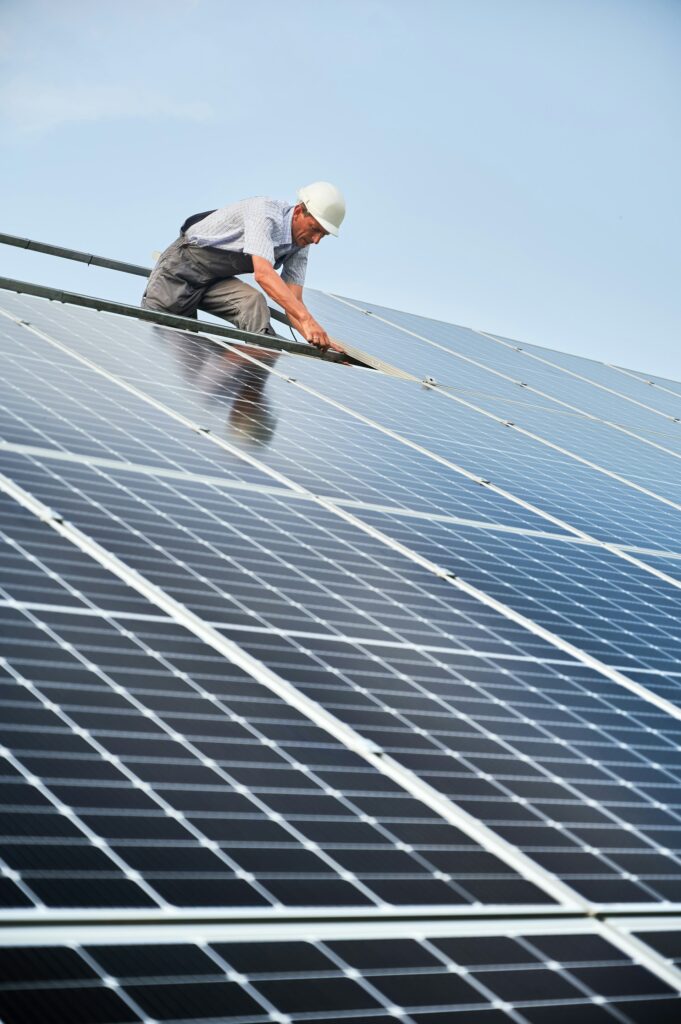
If your solar panels have spent the Sacramento summer collecting dust, pollen, bird droppings, and other debris, cleaning them can improve performance when that buildup is blocking sunlight from reaching the panels. The difference depends on how dirty they are to begin with, so there isn’t one percentage homeowners should expect after every cleaning.
That’s particularly relevant during Sacramento’s long, dry summers. With very little rainfall for months at a time, dirt and residue can stay on solar panels instead of being naturally rinsed away. Homes near busy roads, open land, trees, construction, or other dusty areas may notice buildup even sooner.
Squeaky Clean provides solar panel cleaning for homes and businesses throughout the Sacramento area. But before scheduling a cleaning simply because it’s summer, it’s worth understanding what actually affects solar panel performance, how much dirt matters, and the signs that your panels are due for attention.
Does Solar Panel Cleaning in Sacramento Actually Improve Performance?
It can, when dirt is interfering with the amount of sunlight reaching the panel.
Solar panels generate electricity when sunlight reaches the photovoltaic cells within them. Dust and other material sitting on the surface can reduce the amount of light getting through. The heavier or more persistent the buildup, the more reason there is to remove it.
That doesn’t mean every slightly dusty panel is experiencing a major performance problem.
A thin film of dust and a panel covered in bird droppings are very different situations. The effect also varies depending on the angle of the panels, where the property is located, the surrounding environment, and how long the material has been accumulating.
The U.S. Department of Energy identifies soiling from sources such as dust, pollen, bird droppings, and other environmental conditions as a factor that can affect solar energy production. Researchers continue to study solar panel soiling and cleaning because the effect varies so much from one location to another.
For Sacramento homeowners, the practical takeaway is simpler: visible buildup is worth paying attention to, particularly after months of dry weather.
Sacramento Summers Give Dirt Plenty of Time to Build Up
Summer is one of the more useful times to look at the condition of your panels because Sacramento typically goes through extended stretches without significant rainfall.
Dust doesn’t need to arrive all at once to become noticeable.
Small amounts can collect day after day. Pollen settles during certain parts of the season. Birds may leave isolated spots that stay on the glass. Landscaping work, nearby construction, dry soil, road traffic, and wind can introduce additional material.
Eventually, a panel that looked clean in spring can have a dull film across the surface by late summer.
Even when Sacramento does get a small amount of summer precipitation, it may not be enough to thoroughly wash months of residue from the array. Rain can remove some loose material, but homeowners shouldn’t assume that a brief shower has returned the panels to a clean condition.
The better indicator is what the panels actually look like.
What Kind of Buildup Matters Most?
Not every speck of dirt deserves the same amount of concern.
Ordinary airborne dust tends to create a relatively even film across a panel. Depending on how much has accumulated, the effect may be modest at first and become more significant over time.
Bird droppings are different because they can create concentrated areas of obstruction. Unlike loose dust, they may remain stuck to the glass for a long period.
Pollen can also cling to the surface, particularly after it mixes with moisture or other residue.
Tree sap, ash, leaves, and debris from nearby landscaping can create their own issues depending on where the panels are installed.
You may also notice spots or residue left behind after water evaporates. If sprinklers or another water source regularly reaches part of the roof, those panels may look different from the rest of the array.
The main thing to watch for is persistent material covering the glass rather than the occasional loose particle.
How Can You Tell If Your Solar Panels Need Cleaning?
Start with a visual inspection from the ground.
There’s no reason to climb onto a roof just to find out whether the panels look dirty. From a safe location, see whether you can spot a noticeable dusty film, bird droppings, leaves, or other debris across the array.
Your solar monitoring system may provide another clue.
If your system normally produces consistently under similar sunny conditions and you start seeing an unexplained decline, dirty panels are one possible factor. They aren’t the only one, though.
Solar production changes with the season, temperature, shade, weather, panel orientation, and the condition of the equipment itself. A performance drop doesn’t automatically mean the glass needs cleaning.
That distinction matters.
If the panels appear clean but production has fallen significantly, repeatedly washing them probably won’t fix the underlying problem. That may be a situation for a solar installer or qualified technician instead.
If the panels are visibly dirty after a Sacramento summer and production has also changed, cleaning becomes a more reasonable place to start.
How Much More Energy Will Clean Solar Panels Produce?
This is where homeowners should be cautious about broad claims.
There isn’t a reliable percentage that applies to every solar system.
The difference between dirty and clean panels depends on how much material was present before cleaning. A lightly dusty system may show only a small change. Panels with substantial soiling have more room for improvement.
Location matters too.
A home surrounded by mature trees has a different exposure profile from one in a newer subdivision with little vegetation. A rural property near dry open ground may experience more airborne dust than a home in a denser residential neighborhood.
Even two houses a few blocks apart can have different cleaning needs.
That’s why it makes more sense to think of solar panel cleaning as removing an obstruction rather than purchasing a guaranteed performance increase.
If dirt is limiting sunlight, removing it addresses that issue. If the performance problem comes from somewhere else, cleaning won’t solve it.
Should You Clean Solar Panels Yourself?
Some homeowners consider cleaning their own panels, particularly when the buildup looks minor.
The bigger concern is often access rather than the cleaning itself.
Roof-mounted solar panels can be difficult to reach safely. Wet surfaces, roof pitch, ladders, and working around the edge of a roof create risks that aren’t worth taking just to wash off some dust.
There is also the panel surface to consider.
Abrasive tools, aggressive scraping, or inappropriate cleaning products can potentially damage the glass or coatings. Homeowners who do maintain their own panels should follow the cleaning and maintenance instructions supplied by the panel manufacturer.
For panels that require roof access or have stubborn buildup, professional cleaning removes the need to improvise a method from a ladder or rooftop.
How Often Do Solar Panels Need Cleaning in Sacramento?
There isn’t one schedule that works for every Sacramento property.
Squeaky Clean recommends solar panel cleaning at least twice a year, with more frequent cleaning for panels exposed to heavier amounts of dust, pollen, bird droppings, or other debris.
The condition of the panels should still guide the decision.
If your home sits near an open field, you may see dust accumulate relatively quickly during summer. If birds regularly perch near the roof, certain panels may become dirty faster than the others.
Homes surrounded by trees can deal with pollen, leaves, sap, and other organic material.
A property without many of those conditions may go longer before buildup becomes noticeable.
Checking the panels periodically is more useful than assuming they automatically need cleaning every few weeks.
Late Summer Is a Good Time to Check Your Panels
By late summer, Sacramento solar panels have often gone through months of dry weather.
That makes August and the surrounding months a logical time to look for accumulated dust and residue, particularly if the panels haven’t been cleaned since winter or spring.
You don’t necessarily need to schedule service because a certain date arrives on the calendar.
Instead, look at the combination of conditions.
Have the panels gone through several months of dry weather? Is buildup visible from the ground? Are there bird droppings or patches that clearly aren’t disappearing on their own? Has there been unusual dust from nearby construction or landscaping?
Those are more useful reasons to consider cleaning.
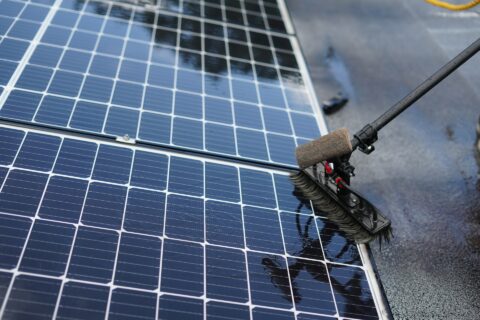
Cleaning Helps When Dirt Is Actually the Problem
Solar panel cleaning isn’t a magic way to increase electricity production, and a responsible cleaning company shouldn’t treat it that way.
Its purpose is straightforward: remove material that has accumulated on the surface so sunlight has a clear path to the panel again. That matters in Sacramento because the long summer dry season gives dust and debris plenty of time to settle without much natural rinsing.
If your panels still look relatively clean and your system is producing normally, there may be nothing urgent to do. If they have developed a visible layer of dust, bird droppings, pollen, or other buildup after months of summer weather, cleaning is more likely to be worthwhile.
Squeaky Clean serves homes and businesses throughout Sacramento and Placer County. If your panels have accumulated a summer’s worth of debris and you’d rather stay off the roof, you can contact Squeaky Clean to schedule solar panel cleaning.